Professional food safety experts located in Brampton ensure food service establishments, commissaries, bakeries, warehouses, and mobile food units to sanitation standards. They disinfect high-touch surfaces, food-contact areas, equipment, floors, drains, restrooms, and food handling areas with certified chemicals, at proper strength, and with verified times.
Important Highlights
- Sanitation technicians from Brampton service restaurants, grocery departments, commissaries, warehouses, bakeries, schools, mobile vendors, and allergen-sensitive operations.
- High-touch surfaces, food-contact equipment, kitchens, floors, drains, restrooms, and storage areas are disinfected using zone-based workflows to avoid cross-contamination.
- Confirmation of proper chemical concentration, alignment, and contact time is completed by approved vendors, with completion filed using checks, inspections, and correction logs.
- Sound cleaning schedules account for hazard, throughput, transitions, spills, and regulations when designating routine, recurring, and cyclical operations by section.
- Highlight providers demonstrating HACCP, sanitation expertise, safety training training, protection, testimonials, color-coded implements, and audit-ready sanitation documentation.
What Brampton Operations Require Food Safety Cleaning?
Food safety cleaning is essential for any Brampton facility that handles, maintains, prepares, packages, or offers food. Apply it to your operation if it meets the criteria for health inspections, food codes, or HACCP requirements. This includes food service venues, employee dining, supply facilities, retail sections, butcheries, seafood counters, retail shops, and facility kitchens.
You also need adherent sanitation protocols in storage facilities, food production centers, refrigerated locations, bakery retailers, school meal programs, event venues, and food distribution hubs. Mobile and temporary operations count too, including catering vehicles, market vendors, and seasonal stalls. If your staff work with raw supplies, divide prepared foods, warm dishes, or organize allergen inventory, your facility needs documented cleaning protocols. In Brampton, sanitation isn't discretionary; it's part of statutory, business, and public health compliance.
Which Areas Do Brampton Cleaning Experts Cover?
You need cleaning experts who disinfect frequently contacted areas, kitchens, floor surfaces, and bathrooms to meet food safety and public health standards. They target these areas because they present similar information the highest risk for contamination spread, slip hazards, and sanitation breaches.
If you grasp what they sanitize, you'll successfully ensure your facility meets all operational and regulatory compliance needs.
Critical High-Touch Surface Cleaning
Controlling high-touch surface cleaning is important for Brampton janitorial experts because contact points can spread harmful organisms and food particles throughout a location. You should establish a scheduling system for sanitizing entry points, contact surfaces, control panels, railings, shared devices, registers, and cold storage handles. Using contact point analysis, teams locate every regularly used surface and establish cleaning schedule
ensure adherence to product specifications and regulatory standards to ensure proper function. Staff can employ sample analysis to verify sterilization efficacy
Kitchens, Floors, and Restrooms
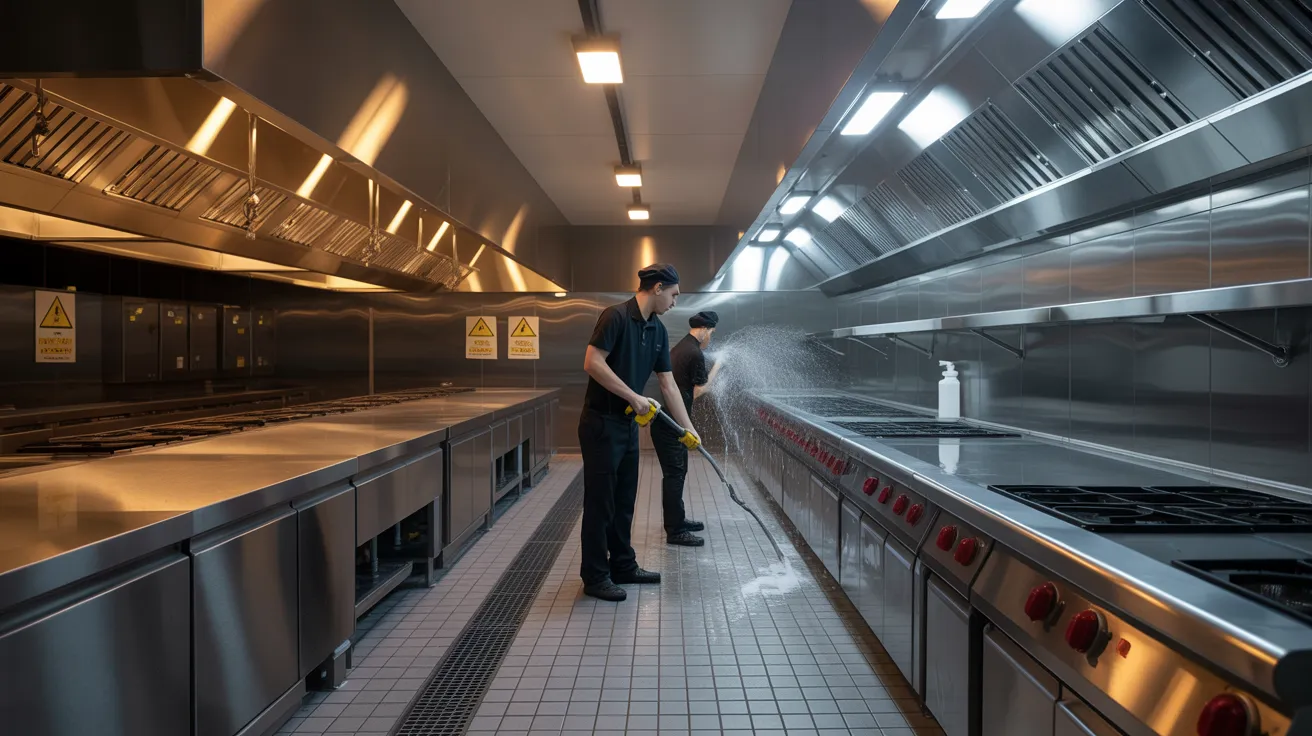
Brampton cleaning services focus on kitchens, floors, and restrooms as each zone presents different sanitation, slip-and-fall, and wellness concerns. In industrial kitchens, you need grease removal from cooking stations, appliance surfaces, drain systems, preparation areas, and backsplashes to minimize contamination and pest pressure.
Floor care that is documented should equally be anticipated. Technicians scrub and extract buildup from tile grout, ceramic surfaces, and vinyl floors, then apply suitable dehydration methods so you can reduce slip incidents and maintain code-compliant conditions. They also handle entryways where moisture and debris migrate indoors.
For restroom sanitation, cleaners sanitize high-touch surfaces, bathroom fixtures, stall dividers, supply dispensers, and trash receptacles, then replenish amenities and manage odor. They also service restaurant moprooms, where chemical storage, sink hygiene, and drainage conditions can affect sanitation compliance and staff safety daily.
Why Food Safety Cleaning Matters in Brampton
Brampton operations require food-safe cleaning standards to fulfill health code requirements and pass audits. You also minimize cross-contamination by cleaning and sanitizing food-contact surfaces, equipment, and high-touch areas correctly. Most importantly, you safeguard community wellness by reducing the chance of food poisoning in your establishment.
Food Safety Regulations
Because Brampton food establishments operate under rigorous sanitary regulations, food safety cleaning directly affects your ability to meet health code requirements, safeguard customers, and eliminate enforcement action. You must maintain sanitary food-contact surfaces, written maintenance records, appropriate product handling, and auditable operational standards that comply with municipal and provincial inspection expectations.
When cleaning standards weaken, infractions, compliance orders, loss of reputation, and service suspension from additional reviews or compliance reviews become risks.
Contamination Control
Meeting regulatory requirements also depends on your capacity to stop cross-contamination during routine food preparation and sanitation. You must keep raw items away from prepared dishes, clean work areas after each use, and store chemicals away from food-contact items. Clear procedures reduce transfer risks and ensure ongoing adherence to health checks.
You might establish allergen separation to stop main allergens from reaching common areas, containers, or machinery. Use dedicated cutting boards, color-coded tools, and strict utensil labeling so staff don't mix items during preparation or service. Mandate handwashing after handling uncooked meat, fish, egg products, or allergens. Swap cleaning rags frequently, and test disinfectant concentration using strips. When employees learn these procedures every shift, you develop a more sanitary, secure business that matches Brampton's safety requirements every day.
Public Health Defense
Should cleaning standards break, you don't simply risk a failed inspection—you expand the odds of contamination-related sickness impacting customers, staff, and the wider Brampton community. You also undermine your responsibility in protecting public health, especially in busy food facilities where contamination can spread quickly through surfaces, equipment, and touchpoints.
You need cleaning protocols that remove contaminants, sanitize effectively, and validate outcomes. This requires following contact periods, selecting approved disinfectants, documenting procedures, and coaching employees to satisfy regulatory requirements. These measures prevent illness spread by decreasing microbial counts before reaching surfaces or food. Throughout Brampton, effective sanitation safeguards susceptible populations, reduces outbreak risk, and demonstrates your diligence. When you adhere to standards, you go beyond requirements—you mitigate risk and facilitate secure food handling throughout the area.
How Can Cleaning Practices Ensure Food Safety Compliance?
Strict sanitation practices support food safety compliance by lowering contamination exposure, limiting pathogen development, and keeping your facility aligned with sanitation requirements under HACCP-based programs and public health regulations. You validate that food-handling surfaces appear visibly clean and microbiologically controlled, backing documented preventive controls and inspection readiness.
Effective cleaning also strengthens allergen mitigation by removing residues that can lead to undeclared allergen exposure. by clearing residues that can cause undeclared allergen exposure.
How Do You Schedule Commercial Cleaning Work?
spill incidents, and following-maintenance work
Schedule drains, vents, storage racks, and hard-to-reach equipment zones weekly or monthly, relying on inspection findings and sanitation records.
Selecting the Right Brampton Cleaning Experts: Key Considerations
Evaluate providers first by sanitation compliance standards rather than cost. You must ensure each provider understands CFIA, public health, and HACCP-aligned expectations for your business. Request insurance proof, WHMIS compliance, staff training documentation, and supervision methods. Check technician understanding of cross-contamination risks, chemical safety, and traceable sanitation records.
You should also assess business dependability and accountability. Request references from Brampton food businesses, then examine turnaround periods, corrective-action procedures, and communication standards. Confirm the company supports supplier audits and can present audit-ready records when regulators or third parties request evidence. Check whether equipment is maintained is performed, color-coded implements are used appropriately, and site-specific hazards are recognized. A qualified provider protects compliance, product quality, and your brand reputation.
Which elements are part of a Food Safety Cleaning Plan?
Develop a written plan that makes clear every sanitation responsibility, standard, and task prior to production start. You should outline cleaning frequencies, approved chemicals, dilution rates, contact times, tools, and verification methods for each zone, surface, and piece of equipment. Include pre-operational inspections, corrective actions, and employee training requirements.
Your framework should also include cross-contamination prevention, waste disposal, pest management measures, and scheduled documentation for bathrooms, drainage, ground surfaces, and food-handling zones. Specify how you'll distinguish raw from ready-to-eat operations, support ingredient tracking, and copyright accurate allergen labeling through validated cleaning between product changes. You should define accountability, maintain signed records, and review results against regulatory standards, HACCP controls, and customer requirements. When gaps appear, adjust procedures immediately and re-educate staff.
Regular Asked Questions
Do cleaning services operate during nighttime hours at Brampton properties?
Yes, you can contract sanitation providers to handle overnight shifts in Brampton facilities. You'll manage overnight sanitation around operational windows, access requirements, and staffing levels. Services typically outline nightshift logistics to minimize interruption, maintain standards, and log completed work. You should confirm timeframes, oversight, access procedures, and disposal methods before service starts.
Can sanitation professionals handle emergency spill response?
Yes, you can expect many Brampton cleaning experts to offer emergency spill response services. They handle hazard containment, assess risks, contain contamination, and start rapid decontamination to reduce exposure and business interruption. You should confirm their response times, training certifications, safety procedures, and disposal procedures. If your facility must comply with industry standards, choose a provider that documents incidents, maintains regulatory procedures, and enables compliance verification.
Are plant-based disinfectants suitable for food preparation areas?
In essence, natural disinfectants function safely for food-handling equipment provided you select products labeled food safe that adhere to regulatory compliant. Check application timing, dilution rates, and rinse requirements in advance of use. Plant-derived products lower chemical burden, although you must have evidence of effectiveness against target microorganisms. To preserve residue free surfaces, stick to exact manufacturer guidelines and ensure the sanitizer meets applicable food industry sanitation standards.
Can maintenance plans flex with seasonal variations?
Absolutely, cleaning plans can be customized for seasonal variations. Adjust intervals, staffing, sanitizers, and confirmation procedures to fit seasonal patterns while preserving compliance standards. Reduce production downtime through timing cleaning surrounding equipment transitions, maximum output, and operational patterns. Additionally, update SSOPs, instruction programs, and environmental testing to capture periodic risks, additional allergens, or increased soiling. Ongoing evaluations preserve your strategy functional.
Do commercial cleaners train staff on sanitation best practices?
Certainly, professional cleaning experts coach your employees on hygiene protocols. You secure staff training on proper chemical use, processing times, cross-contamination prevention, machine disassembly, and documentation. They generally coordinate instruction with HACCP, GMP, and CFIA or regional health bodies standards. Many also run sanitation audits to verify compliance, uncover shortcomings, and strengthen corrective measures. This enables you to copyright standard processes, satisfy audits, and reduce food safety risks every day.
Conclusion
When you work with Brampton food safety and commercial cleaning experts, you aren't merely cleaning—you maintain your facility inspection-ready and your standards compliant. From processing areas to kitchen spaces, every polished surface and maintained area minimizes unwelcome guests and avoid expensive problems. By arranging cleanings at the proper frequency and following a clear cleaning plan, you safeguard staff, customers, and your reputation. In a strict regulatory setting, clean spaces are essential—they're part of doing business right.